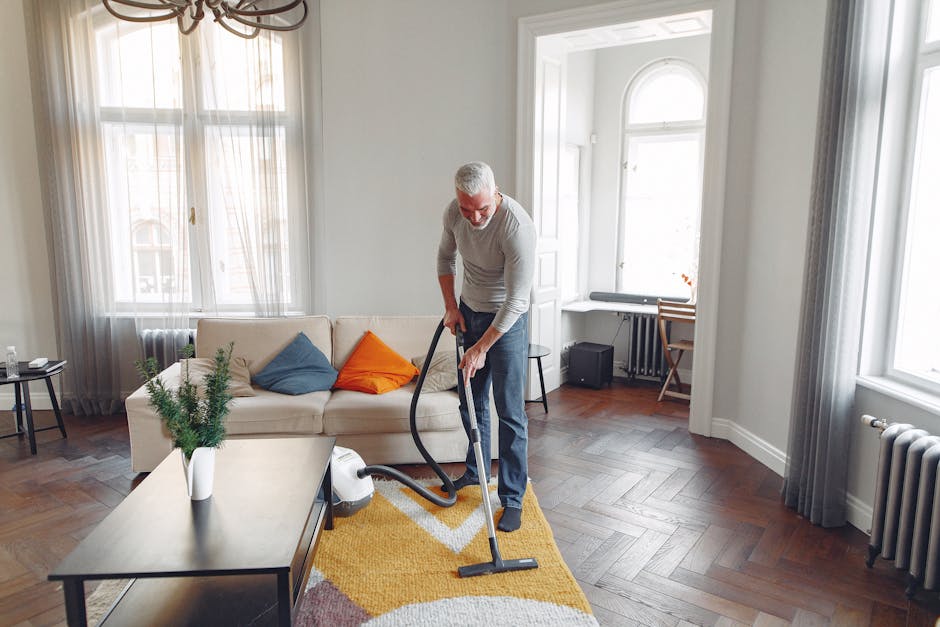
Salusbury Road NW6 carpet cleaning tips for busy households
If you live near Salusbury Road NW6, you probably know the feeling: muddy shoes by the door, a spilled breakfast drink just before school run chaos, and carpets that seem to collect crumbs the moment you turn your back. The good news is that carpet care does not need to take over your week. These Salusbury Road NW6 carpet cleaning tips for busy households are built for real life - quick wins, sensible routines, and a few smart decisions that keep carpets fresher without adding stress.
In a busy home, the trick is not doing everything. It is doing the right things often enough. A little prevention, a fast response to spills, and the occasional proper deep clean can make a surprising difference. Below you will find a practical guide to what matters, what to avoid, and how to keep your carpets looking decent even when life is properly full-on.
Why Salusbury Road NW6 carpet cleaning tips for busy households Matters
Busy households often do not damage carpets in one dramatic event. It is usually the accumulation of small things: grit underfoot, tea around the sofa, pet hair in corners, and the odd sticky mark that gets walked into the pile before anyone notices. Near Salusbury Road, where family life, commuters, visitors, and daily coming-and-going all overlap, carpets can take a real battering. Truth be told, most people do not need a perfect carpet. They need a carpet that stays clean enough to feel welcoming and healthy.
The practical value here is simple. The faster you manage dirt and spills, the less chance they have to settle into fibres or backing. That means less scrubbing later, fewer harsh chemicals, and a much better chance of keeping the carpet's texture and colour in good shape. It also helps the whole home feel calmer. A clean floor changes the feel of a room more than people expect. You notice it in the smell, the light, the general sense that things are under control - even if, behind the scenes, the laundry basket is trying to win the day.
Expert summary: For busy households, carpet care works best when it is simple, repeated, and realistic. Quick response, light maintenance, and planned deep cleaning beat occasional panic cleaning every time.
How Salusbury Road NW6 carpet cleaning tips for busy households Works
The best routine is built around three layers. First comes prevention: reduce how much dirt gets into the carpet in the first place. Second comes maintenance: vacuuming, spot cleaning, and fast response to spills. Third comes periodic deep cleaning: a more thorough clean that refreshes the pile and removes what a vacuum cannot reach. That is the basic framework, and it works well in family homes, flats, shared households, and homes where somebody is always in or out.
Prevention is usually the cheapest and easiest layer. Think mats at entrances, sensible shoe habits, and a quick shake-out of mats and runners. Maintenance is all about small, regular actions. Two or three minutes after dinner can be enough to clear a high-traffic patch. Deep cleaning is the reset button. Not every week, not even every month for many homes, but often enough to stop ground-in soil from becoming a permanent feature.
There is also a practical rhythm to it. In the morning, carpets are relatively quiet. Later in the day, especially after school, work, or wet weather, they take more traffic. If you use your cleaning time to match that rhythm, the work becomes lighter. That is the part people miss. Timing matters.
Key Benefits and Practical Advantages
For a busy household, good carpet care is about more than appearances. Yes, a fresher carpet looks better. But the bigger advantages are usually more practical.
- Less deep-soil build-up: Frequent light cleaning stops grit from embedding in the fibres.
- Faster spill recovery: You are more likely to deal with stains before they set.
- Better indoor feel: Rooms smell cleaner and feel more comfortable underfoot.
- Longer carpet life: Reduced fibre wear can delay replacement costs.
- Less weekend disruption: Small routines are easier than emergency whole-house cleaning marathons.
Another benefit, and a very real one in family homes, is peace of mind. When the carpet is in decent condition, you stop noticing every mark. That sounds minor, but it matters. If you are always worrying about the floor, the house never feels rested. A workable routine gives you some of that mental space back.
And if you have a baby crawling around, a dog with a questionable idea of what a mud patch is, or children who treat every meal like a minor construction project, the benefits are even more obvious. A few simple habits can save you from repeated heavy cleaning sessions that no one enjoys.
Who This Is For and When It Makes Sense
This approach is especially useful for:
- families with children and pets
- flatshares where one person cannot carry the whole cleaning load
- working households with limited daytime availability
- older carpets that need careful maintenance rather than rough treatment
- new carpets you want to keep looking good for as long as possible
It also makes sense if you are between professional cleans and trying to stretch the result. A lot of households in NW6 do one proper carpet clean and then maintain it well afterwards, which is usually the smartest way round. If you are also planning a broader reset of the home, services such as deep cleaning or one-off cleaning can fit neatly around carpet care rather than replacing it. They are different jobs, but they often work best together.
It may be less suitable if the carpet is heavily stained, smells persistently damp, or has been soaked by a leak. In those cases, a cautious approach is better. Pushing on with household products alone can make a problem worse. Sometimes the sensible move is to pause, assess the material, and decide whether a specialist clean is the safer route.
Step-by-Step Guidance
Here is a straightforward routine that busy households can actually keep up with.
- Stop dirt at the door. Use doormats inside and outside if you can. Ask people to wipe feet. It sounds basic, because it is basic, but it works.
- Vacuum high-traffic areas more often. Hallways, living rooms, and the space around sofas usually need the most attention. A quick pass is better than waiting for a huge clean-up day.
- Tackle spills immediately. Blot, do not rub. Rubbing spreads the stain and roughs up fibres. Use a clean cloth, work from the outside in, and keep the area as dry as you can.
- Check the cleaning method before you use it. Different carpets react differently. Wool, synthetic, and blended carpets are not all the same beast.
- Test products in a hidden spot. A small, unseen patch can save a lot of regret. Nobody wants a bright cleaner ring right in the middle of the room. Been there, done that, never again.
- Lift and dry the pile. After spot cleaning, let air circulate. Open a window if possible and keep feet off the area until it is dry enough.
- Schedule a deeper clean. Do not wait until the carpet looks obviously tired. By then, soil may already be well established.
A useful way to think about it is this: vacuuming deals with loose debris, spot cleaning deals with accidents, and deep cleaning deals with the stuff you cannot see until it builds up. The trick is not to let one job become the other.
If time is tight, break the work into zones. Do the entrance and living area on Monday, bedrooms on Wednesday, and stairs or landings at the weekend. That is far less intimidating than attempting the whole home in one go.
Expert Tips for Better Results
There are a few habits that make a bigger difference than people expect.
1. Vacuum slowly enough to do real work. A rushed pass can lift surface dust but leave grit behind. If you have ever heard a vacuum motor whirring away while the carpet still looks a bit sad, that is usually what is happening.
2. Use the right attachment for edges and stairs. Edges collect dust, hair, and crumbs like nobody's business. Stairs are often the forgotten zone. A handheld attachment or upholstery tool can help a lot.
3. Rotate furniture when practical. Heavy pieces create worn paths and flattened areas. Even a small shift now and then can help spread wear more evenly.
4. Don't flood the carpet. More water is not better. Excess moisture can leave odour, slow drying, and in some cases encourage mould in the underlay. That is one of those mistakes you only need to make once.
5. Treat the stain, not the whole room. A lot of busy households over-clean a large area because of one mark. It wastes time and can create tide marks. Target the affected patch first.
6. Keep a small carpet kit ready. A cloth, a spoon or scraper for solids, a mild cleaner, and a couple of white towels in a cupboard can save a huge amount of fuss. If you have to hunt for supplies after a spill, the stain has already had a head start.
If you are trying to decide between general home upkeep and more targeted help, browsing related pages like domestic cleaning or house cleaning can help you think in practical terms about what belongs where. Carpet care sits inside the wider home routine, not separate from it.
Common Mistakes to Avoid
Most carpet problems in busy homes come from a few repeated errors rather than one big disaster.
- Leaving spills until later. Tea, juice, food grease, and pet accidents are much easier to deal with straight away.
- Scrubbing too hard. That can push soil deeper and fray fibres.
- Using too much product. Residue attracts dirt, so the carpet can look dull again very quickly.
- Ignoring drying time. A damp carpet is uncomfortable and can create odours if left unchecked.
- Cleaning in a panic before checking the fibre type. What works on one carpet can be a poor choice on another.
- Waiting for visible wear before acting. Prevention is easier than rescue.
One slightly annoying truth: the cleanest-looking carpets are often the ones that are maintained in small bursts, not the ones attacked once a year with heroic energy and an old sponge. The boring routine wins. It really does.
Tools, Resources and Recommendations
You do not need a cupboard full of gadgets. A compact, sensible kit is enough for most homes.
| Tool or item | Best use | Why it helps |
|---|---|---|
| Vacuum cleaner with attachments | Regular dust and grit removal | Reaches edges, stairs, and under furniture better |
| Microfibre cloths | Blotting spills and lifting residue | Absorbent, reusable, and gentle on fibres |
| White towels | Pressing moisture out of carpets | Helps you see what is being lifted from the carpet |
| Soft brush | Lifting pile after cleaning | Restores appearance without rough treatment |
| Carpet-safe spot cleaner | Small stains and marks | Useful for fast action, provided you test it first |
If your household prefers to outsource some of the bigger jobs, it can be useful to compare carpet care with other services. For instance, a carpet cleaning visit may be the right fit for deeper soil, while rug cleaning can be the better option for loose floor coverings that can be treated separately. Upholstery and sofas also collect dust, crumbs, and pet hair, so it can make sense to look at sofa cleaning or upholstery cleaning at the same time if those areas are looking tired too.
For households that value greener habits, it is worth keeping an eye on water use, product choice, and reusability of cleaning cloths. If that matters to you, the page on recycling and sustainability may be useful as a wider read.
Law, Compliance, Standards, or Best Practice
For most homes, carpet cleaning is not heavily regulated in the way some commercial activities are. Still, there are sensible standards and best practices worth following. Use products according to the label, keep chemicals away from children and pets, and avoid mixing cleaning agents unless the instructions clearly say it is safe. If you hire a cleaning company, you should expect them to work carefully, use appropriate methods, and respect your property.
From a practical safety point of view, drying matters. Damp floors can be slippery, and in enclosed spaces excess moisture is simply a bad idea. If you are using electrical equipment, keep cables tidy and avoid working around standing water. It sounds obvious, but when you are moving fast between dinner, laundry, and a phone call, obvious things are the first ones to slip.
If you are checking a company's wider standards, it is reasonable to look for clear information about insurance, safety, complaints handling, and privacy. Relevant pages such as insurance and safety, health and safety policy, terms and conditions, and privacy policy can help you understand how a business works. That is just good housekeeping, honestly.
Options, Methods, or Comparison Table
Different carpet-care methods suit different households. Here is a simple comparison to help you choose what fits your routine.
| Method | Best for | Pros | Limitations |
|---|---|---|---|
| Routine vacuuming | Daily or weekly upkeep | Fast, inexpensive, essential for grit removal | Will not remove deep soil or old stains |
| Spot cleaning | Fresh spills and local marks | Prevents stains from setting, low disruption | Needs care and the right product |
| Home deep clean | Broad refresh between professional visits | Useful for maintenance, flexible timing | Easy to over-wet or over-treat the carpet |
| Professional carpet cleaning | Heavy soil, odours, larger homes, busy family spaces | More thorough, saves time, better for built-up dirt | Needs scheduling and some drying time |
For many NW6 households, the sweet spot is not choosing one method and ignoring the rest. It is combining them. A sensible mix of routine vacuuming, careful spot treatment, and occasional professional support usually gives the best result with the least hassle.
Case Study or Real-World Example
Take a typical Salusbury Road household: two adults working different schedules, one child, a dog, and a living room that doubles as a play space. The carpet in the hallway starts looking dull first, mainly because of shoes, buggy wheels, and the general in-and-out of daily life. By late afternoon there are crumbs near the sofa, a faint mark by the armchair, and muddy paw prints after a wet walk. Nothing dramatic. Just constant small wear.
Instead of waiting for the carpet to look properly bad, the family sets a simple routine. Entrance mats are shaken out twice a week. The hallway and living room are vacuumed in short bursts every other day. Spills are blotted immediately, and a soft brush is used to lift the pile after cleaning. Every so often, they bring in a deeper clean for the most used rooms and leave the guest room for later. The result is not showroom perfection. But the carpets stay respectable, the home feels fresher, and they stop dreading every new mark.
That is the pattern you see again and again. Small, repeated effort beats occasional last-minute panic. Not glamorous, perhaps. Very effective, though.
Practical Checklist
Use this simple checklist to keep your carpet care realistic during a busy week.
- Place a mat at each main entrance
- Vacuum high-traffic areas regularly
- Keep a spill kit in an easy cupboard
- Blot stains immediately, never rub
- Test any cleaner in a hidden spot first
- Avoid soaking the carpet
- Let carpets dry properly after cleaning
- Lift the pile gently when dry
- Rotate furniture when you can
- Plan deeper cleaning before the carpet looks exhausted
If you prefer to hand over larger household tasks, related services such as home cleaners, cleaners, or cleaning company support can fit into a broader home-care plan. Sometimes that is the difference between keeping on top of things and falling behind by Wednesday. We've all been there.
Conclusion
Busy homes do not need complicated carpet care. They need practical habits that fit real schedules, real shoes, real spills, and real mornings. If you focus on prevention, quick response, and a sensible deep-cleaning rhythm, you will get much better results with far less stress. That is especially true for households around Salusbury Road NW6, where everyday footfall can add up quickly.
The main idea is simple: keep dirt from settling, act fast on spills, and do not wait until the carpet is shouting for attention. Small routines are easier to maintain, kinder to the carpet, and much easier on your week. And honestly, that is what most households need most - one less thing to worry about.
Get a free quote today and see how much you can save.
Frequently Asked Questions
How often should a busy household vacuum carpets?
For most busy homes, vacuuming high-traffic areas two to three times a week is a strong starting point. If you have pets or children, you may find yourself doing quick touch-ups more often. The aim is to stop grit from settling deep into the fibres.
What is the fastest way to deal with a fresh spill?
Blot it immediately with a clean cloth or white towel. Work from the outside of the stain inward and avoid rubbing. Rubbing usually spreads the spill and can damage the carpet pile.
Are carpet sprays safe for all carpet types?
No, not always. Some carpets, especially wool or delicate blends, need gentler treatment. Always test any product in a hidden area first and follow the label closely. That small pause can save a lot of bother.
When should I book a professional carpet clean?
If the carpet looks flat, feels sticky, smells stale, or has marks that keep returning, a professional clean is probably worth considering. It is also sensible after a big household event, a very wet season, or before a tenancy change.
Can I deep clean a carpet myself?
Yes, in some cases. But it is easy to use too much water or leave residue behind. DIY deep cleaning works best for lighter refreshes and when you are confident the carpet material can handle it. If not, caution is better.
What should I do about pet accidents on carpets?
Act quickly. Remove any solids carefully, blot the area, and use a carpet-safe cleaner if appropriate. If the smell lingers, the stain may have reached deeper layers and may need a more thorough treatment.
Why do carpets get dirty again so quickly after cleaning?
Usually because of leftover residue, nearby grit, or not enough drying and post-clean care. If shoes, crumbs, and dust keep coming in, the carpet will start looking tired again unless the routine changes a bit.
Is steam cleaning the same as carpet cleaning?
People often use the terms loosely, but not every carpet clean uses the same method. Hot water extraction, low-moisture methods, and dry compounds all work differently. The right choice depends on the carpet and how quickly it needs to be usable again.
How can I keep carpets cleaner in winter?
Use stronger entrance mats, ask for shoes to be removed where practical, and vacuum more often during wet weather. Winter mud in London is persistent, and it finds its way indoors remarkably fast.
What if my carpet still smells after cleaning?
That can mean moisture remains in the pile or underlay, or that the source of the smell has not been fully removed. Allow more drying time, improve ventilation, and avoid rewetting the area too much. Persistent odours may need a more thorough clean.
How do I choose between spot cleaning and a full carpet clean?
Spot cleaning is best for isolated fresh marks. A full clean makes more sense when the carpet looks dull overall, has traffic lanes, or feels like it needs a reset rather than a local fix. If the whole room is looking tired, a bigger clean is usually more efficient.
Can a cleaning company help with more than carpets?
Yes. Many households like to bundle carpet care with related jobs such as sofa cleaning, oven cleaning, or window cleaning so the home gets a broader refresh. That can be a practical way to save time when life is already packed.